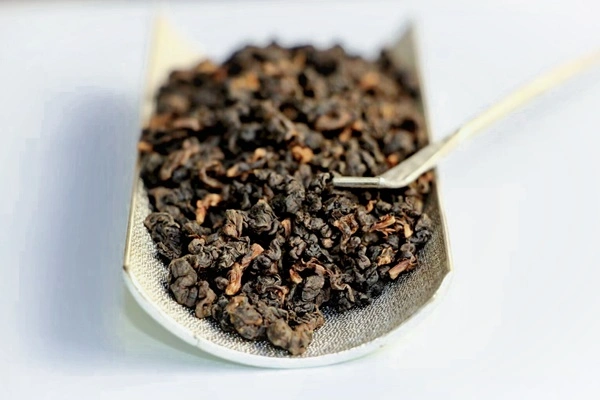
Volcanic collection
Golden GABA
Loose-leaf GABA oolong from Tengchong, Yunnan.
 Teng Chong
China · Yunnan · Tengchong
High-mountain teas by Nie Qun Hao.
From our tea gardens to your cup.
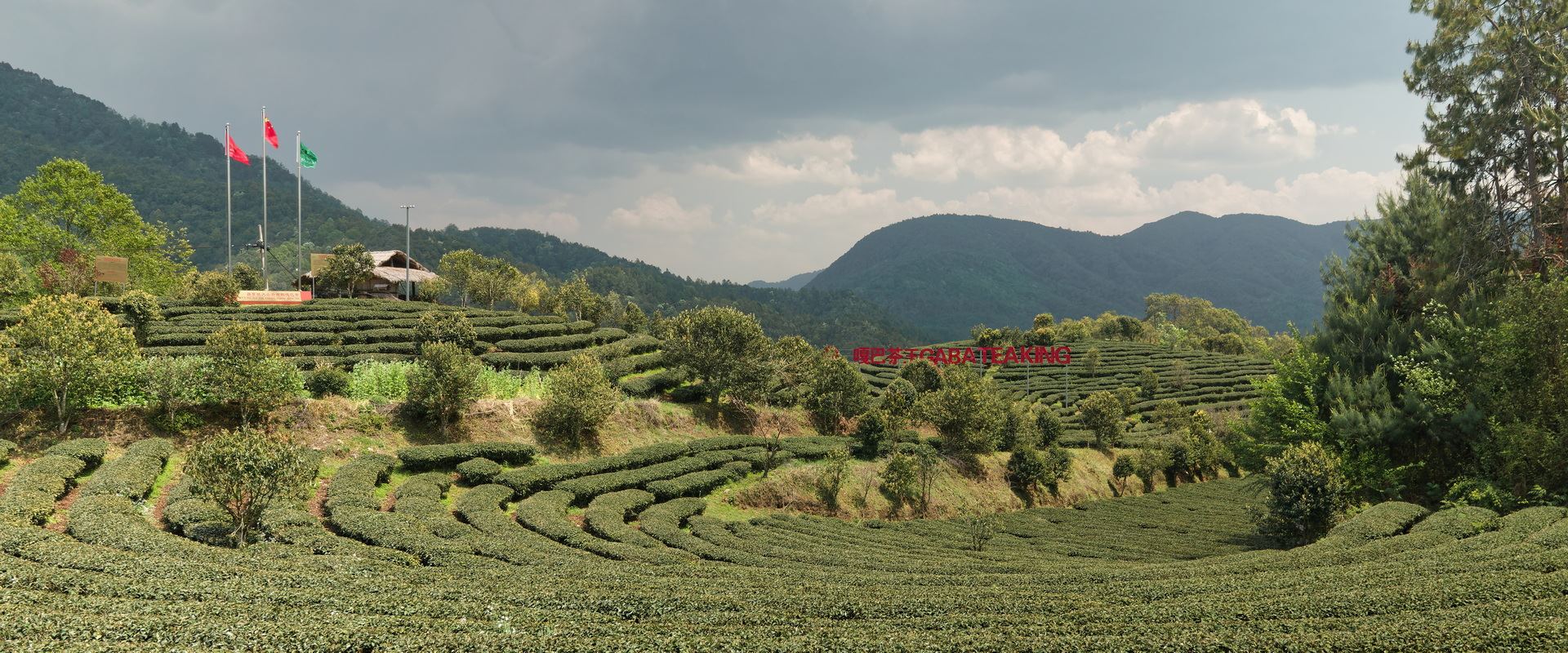
Earth. Tea. People.
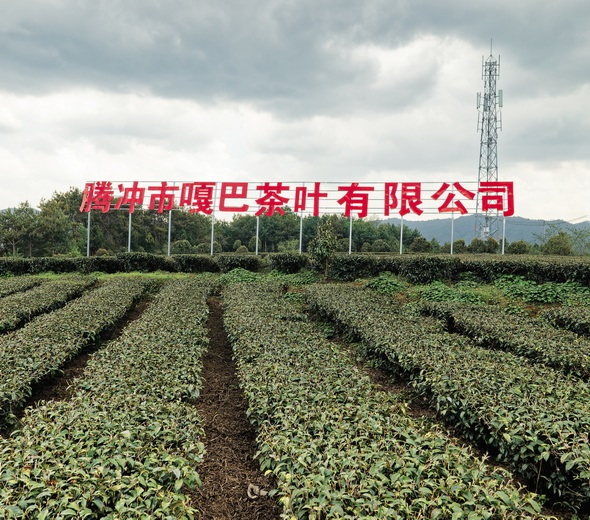
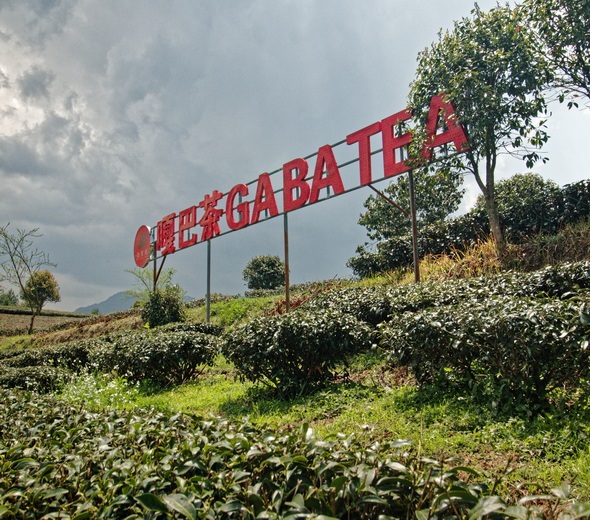
Teng Chong Gaba Tea Co., Ltd. grows tea in the volcanic highlands of Tengchong, at elevations of 2,300–2,500 metres. We produce volcanic GABA tea and supply wholesale directly from China.
The Nie Qun Hao collection brings together volcanic GABA teas, high-mountain oolongs, and ripe and raw pu-erh. Contact Nie Qun for tea selection and wholesale enquiries; Russian-language communication is available.
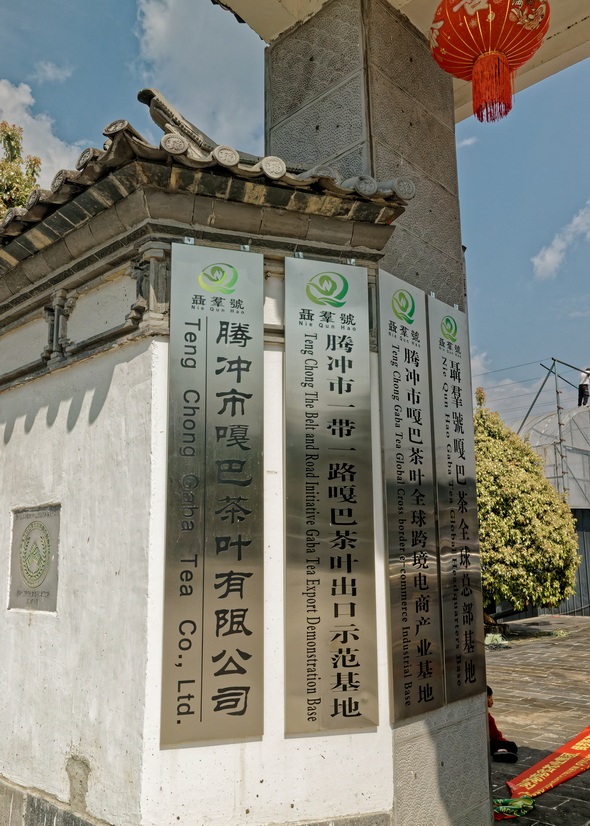
Our company specialises in producing tea using an additional anaerobic fermentation process to increase the GABA content of the finished product. Most of our teas are made from leaves of Qing Xin (青心烏龍), a Taiwanese tea cultivar traditionally used to produce premium oolongs and grown on high-altitude plantations in Tengchong.
The company’s forward-thinking founder, Nie Qun, saw untapped potential in the local tea resources and decided to develop GABA tea production based on them. Although GABA tea has yet to become a mainstream drink in China, it has already gained many fans overseas, especially in the EAEU countries and Eastern Europe. The company continues to develop this direction, expanding its range of GABA teas and refining the production technology.
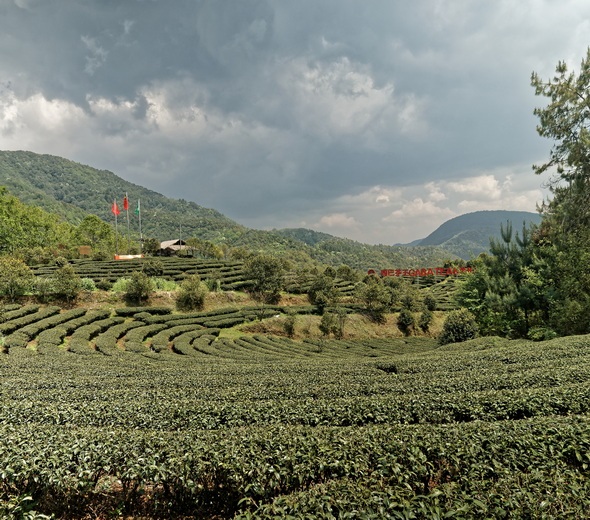
In 2005, planting began around the town of Mingguang, near Tengchong, using Qing Xin, a principal tea cultivar introduced from Taiwan. The cool temperatures, humid air and differences between daytime and nighttime temperatures resemble the conditions of Taiwan’s highlands, while the soils are also volcanic in origin.
Our company’s plantations lie at elevations of 2,300–2,500 metres, higher than those in many tea-growing regions of Taiwan. These conditions help our oolongs develop the floral aroma, smooth flavour and lingering sweet aftertaste characteristic of the finest Taiwanese teas! Teng Chong GABA Tea combines traditional tea processing with an additional stage of anaerobic fermentation to produce GABA tea. Together, these qualities allow us to proudly call our oolongs unique!
In 2023, our company tested a range of GABA teas to confirm the gamma-aminobutyric acid content of our finished products. The analyses were conducted by the food research laboratory at Hungkuang University in Taiwan. The tests covered several tea categories: green, yellow, black, oolong and pu-erh.
The results showed substantial GABA content, ranging from 113 to 182 mg per 100 g of tea. GABA Tieguanyin, black and yellow teas, as well as shu pu-erh, recorded levels above 150 mg per 100 g — a widely used benchmark for GABA tea. We are proud of these results. Laboratory analysis allows us to assess our finished products using a measurable indicator and provide customers with more specific information about their GABA content.
Yunnan is better known for ripe and raw pu-erh, as well as Chinese black teas such as dianhong and shaihong, while oolong has traditionally been less common. In Tengchong, however, oolongs are cultivated and processing techniques continue to develop. According to 2024 data, these plantations covered 30,000 mu (2,000 hectares), accounting for one-fifth of all local tea gardens.
Tengchong differs from other tea-growing regions of Yunnan through its combination of high-altitude climate and volcanic soils. The soils here are acidic, rich in organic matter, and contain potassium and magnesium. The cool, humid conditions and temperature fluctuations resemble those of Taiwan’s highlands and are well-suited for cultivation tea varieties used for oolong. Nowhere else in mainland China can you find such favourable conditions for growing Taiwanese oolong varieties!
Tengchong · Yunnan
Loose-leaf GABA oolong from Tengchong, Yunnan.
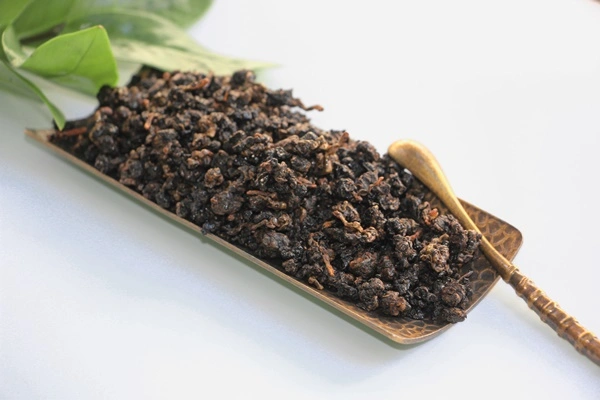
Tengchong GABA oolong with wild honey.
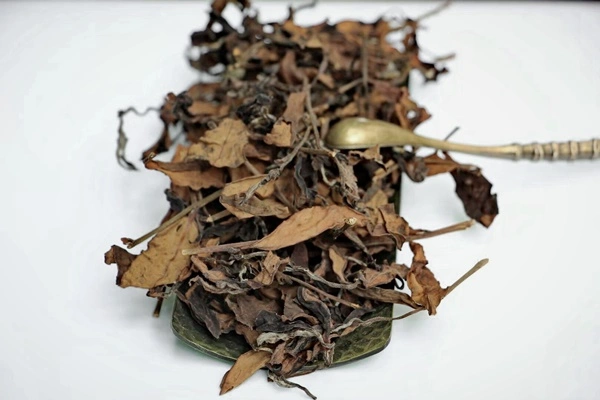
A loose-leaf oolong in the Nie Qun Hao volcanic collection.
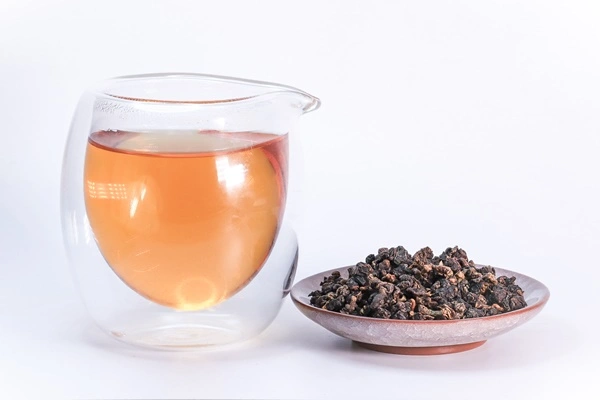
High-mountain GABA oolong from Tengchong.
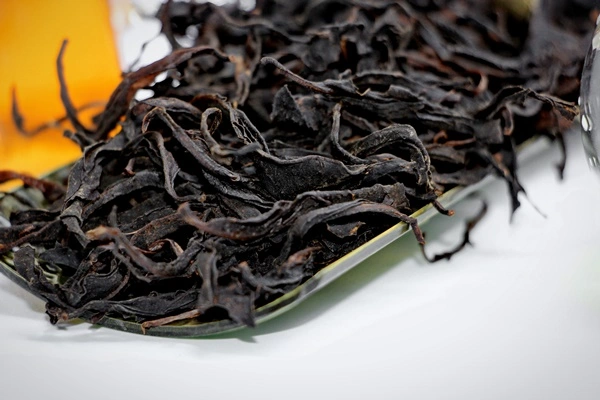
A loose-leaf GABA oolong in the volcanic collection.
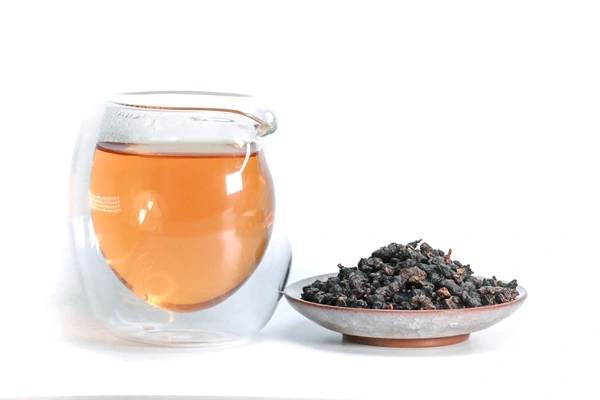
High-mountain Tengchong oolong made using the GABA process.
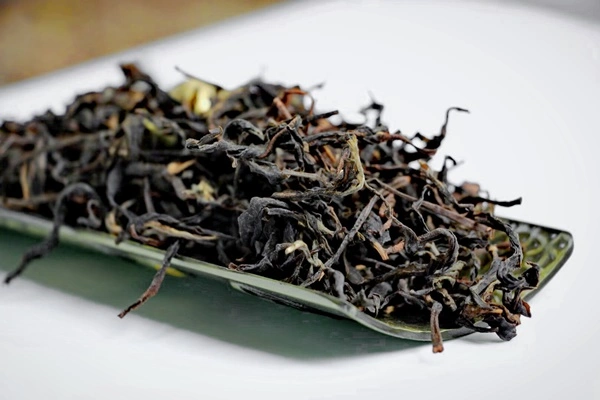
A loose-leaf high-mountain oolong by Nie Qun Hao.
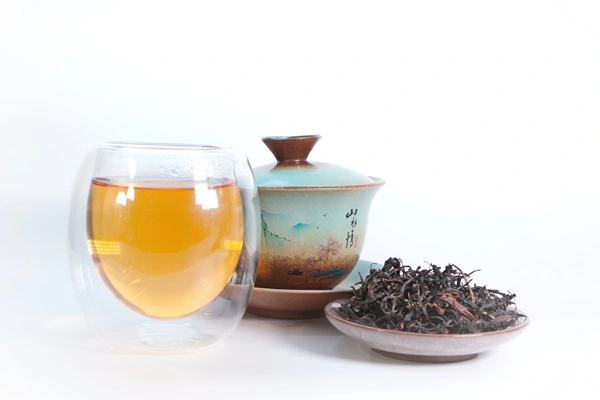
Loose-leaf GABA oolong from the volcanic collection.
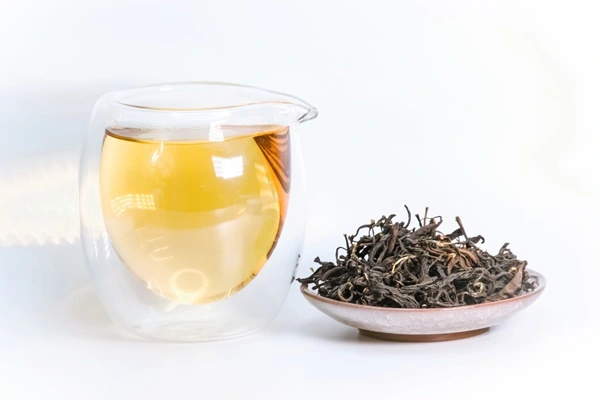
Chinese black tea made using the GABA process.
High-mountain collection
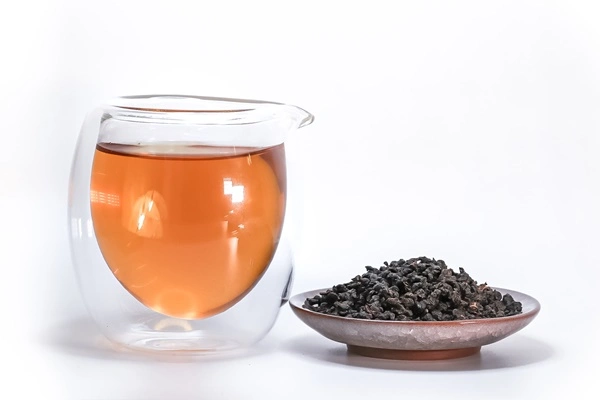
Loose-leaf high-mountain oolong from Tengchong.
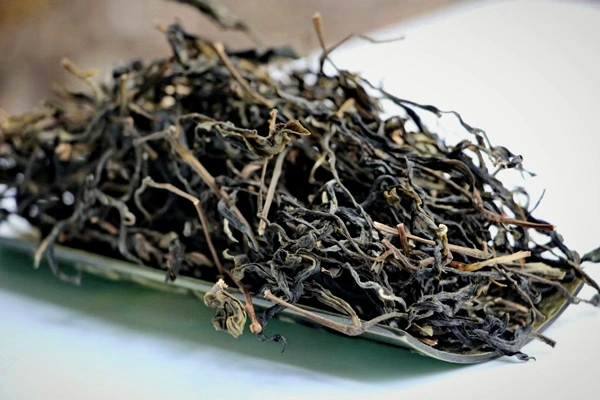
A distinctive high-mountain tea combining oolong and sheng styles.
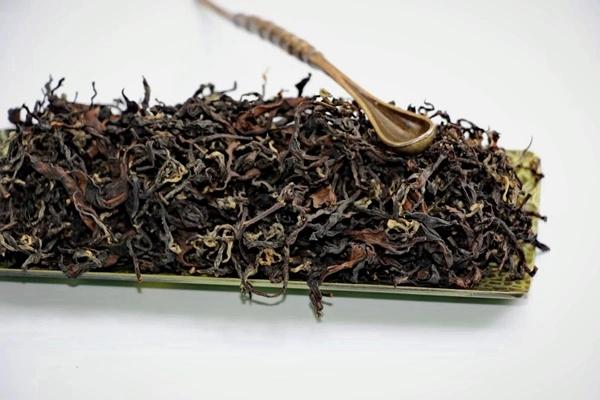
Loose-leaf high-mountain oolong from Tengchong.
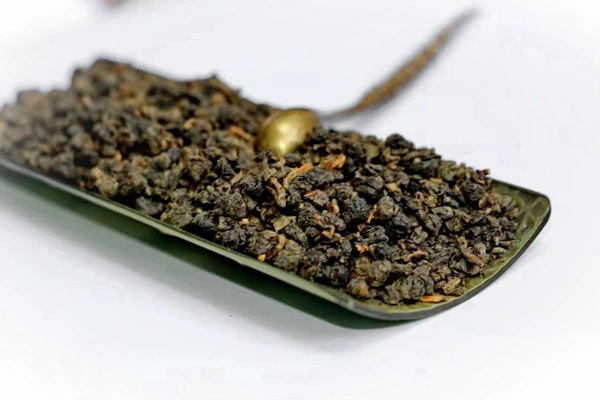
A lightly oxidised high-mountain oolong from Tengchong, Yunnan.
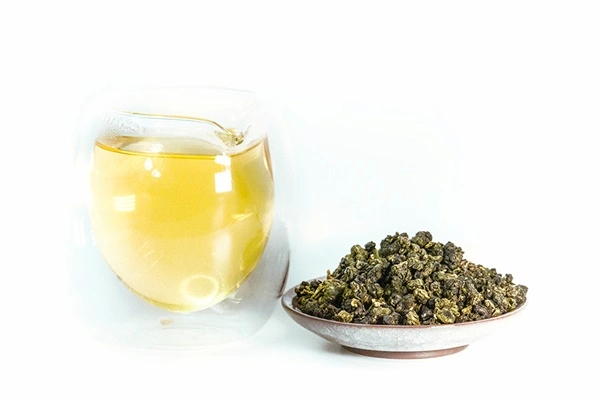
A Tengchong oolong made from the Qing Xin cultivar.
Loose-leaf teas & pressed cakes
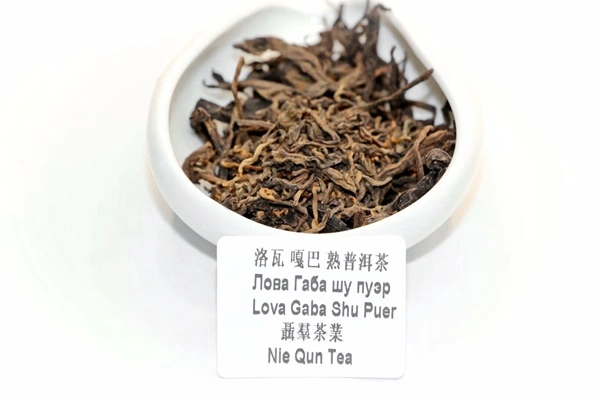
Loose-leaf ripe pu-erh from the Luowa GABA series.
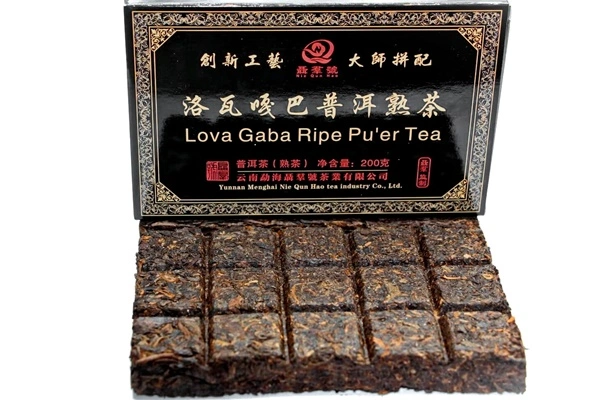
The pressed-brick version of Luowa GABA ripe pu-erh.
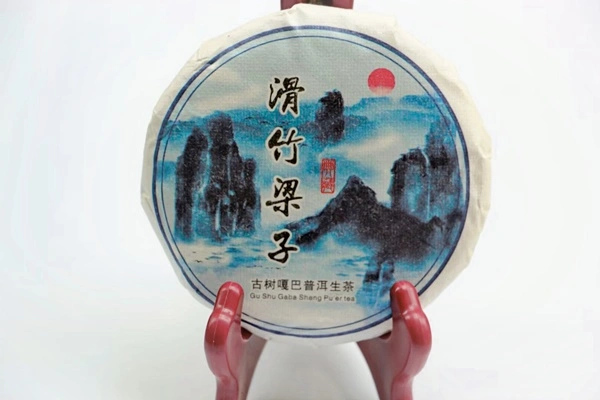
A pressed GABA oolong–sheng tea from ancient trees.
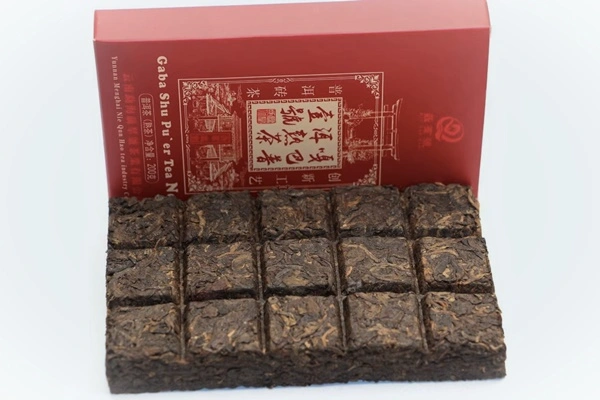
GABA-process ripe pu-erh pressed into a brick.
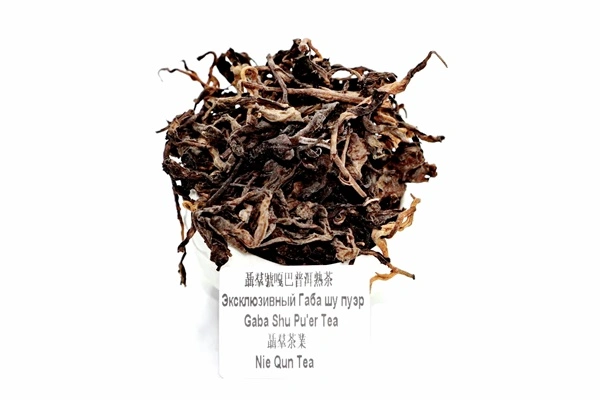
Loose-leaf ripe pu-erh made using the GABA process.
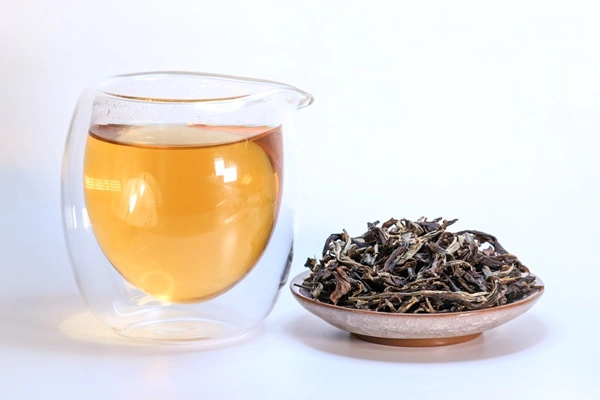
Loose-leaf raw pu-erh made using the GABA process.
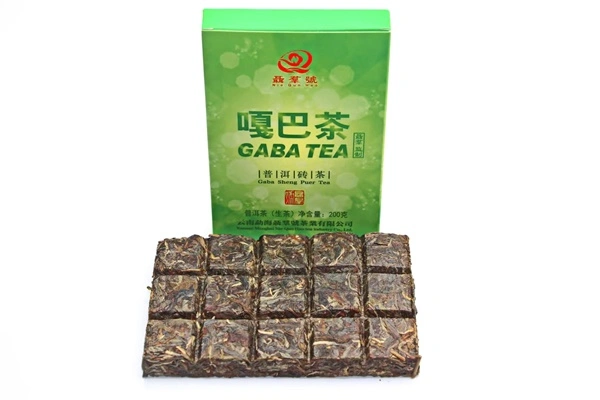
GABA-process raw pu-erh pressed into a brick.
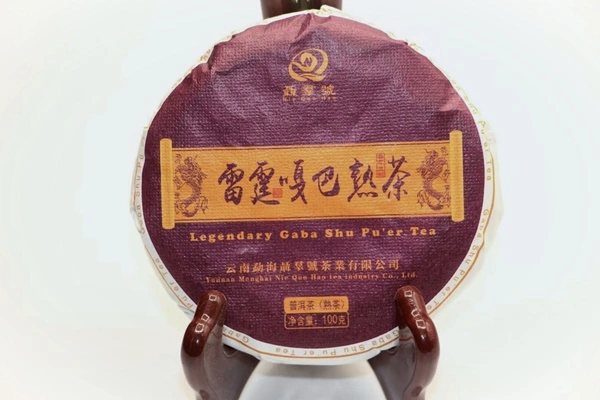
A GABA-process ripe pu-erh cake.
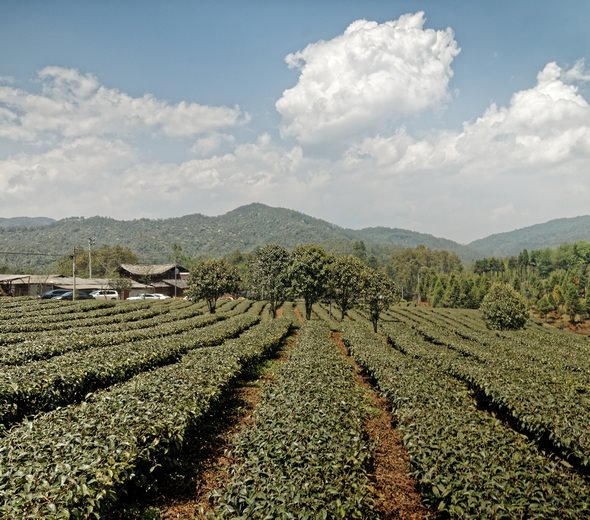
For us, GABA is a distinct focus of our tea production. We combine anaerobic fermentation with different processing methods and raw materials. For example, we incorporate techniques characteristic of Taiwan’s Oriental Beauty oolong to create GABA Oriental Beauty, or sun-drying methods used for Shai Hong black tea to produce GABA Shai Hong. We also work with sheng pu-erh, using leaves from old tea trees in Yunnan.
These explorations have given rise to our unique collection. Each tea retains the individual characteristics of the methods on which it is based, while taking on a new expression through GABA processing.
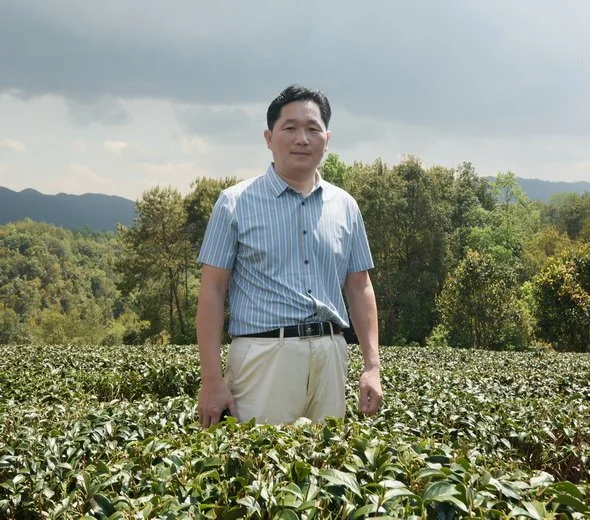
Meet the founder
Behind the tea is a person. Nie Qun has spent 20 years growing tea and has extensive experience supplying Russia. He speaks Russian and works with both small and large wholesale orders.
Contact Mr. Nie Qun ↗A direct connection
Tea selection, wholesale supply
and partnerships — get in touch.